
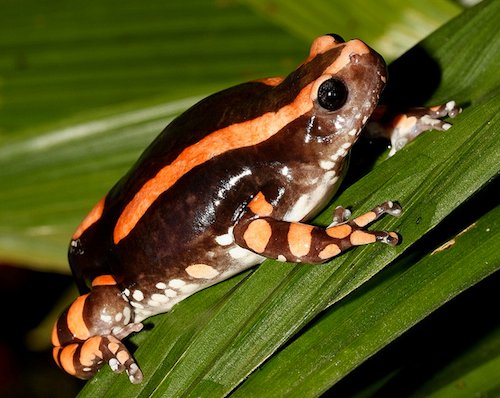
PHRYNOMANTIS BIFASCIATUS TOAD VENOM: A Deep Dive into a Unique Natural Substance
When exploring the fascinating world of amphibians, few creatures command attention quite like the Phrynomantis bifasciatus toad. Renowned for its striking features and intriguing behaviors, this toad also possesses a remarkable defensive mechanism: its venom. In this article, we will delve into the nature, properties, and significance of Phrynomantis bifasciatus toad venom.
Understanding Phrynomantis Bifasciatus
The Phrynomantis bifasciatus, commonly known as the two-striped toad, is native to the rainforests of Africa, particularly found in regions such as Cameroon and Nigeria. This toad measures about 10 to 12 centimeters in length, sporting a distinct coloration made up of dark and light stripes that provide excellent camouflage against the forest floor. In addition to its striking appearance, this toad has developed several unique adaptations to survive in its tropical habitat.
The Role of Venom in Defense
The poison produced by the Phrynomantis bifasciatus serves as a critical form of defense against potential predators. While many amphibians secrete toxins through their skin, the venom of this toad goes a step further. It contains potent alkaloids known to deter various threats, from birds to larger mammals.
Composition of the Venom
Research indicates that Phrynomantis bifasciatus toad venom is rich in bioactive compounds, which can include a variety of peptides and alkaloids. These substances work collectively to create a protective barrier. The complexity of its venom differentiates it from that of other amphibians, where the focus is often on a single type of toxin.
Among the various components, certain peptides have shown promise in scientific studies for their potential use in medicine. Some of these compounds possess antimicrobial properties, while others may be effective in treating pain or inflammation. The exploration of such properties holds significant implications for pharmaceutical applications.
Natural and Cultural Significance
In addition to its biological importance, the Phrynomantis bifasciatus toad has historical and cultural relevance, particularly in the regions of Africa where it resides. Indigenous tribes often incorporate aspects of the toad into folklore and medicinal practices. Traditionally, some communities use the venom for various purposes, though great caution is advised due to its potent nature.
Research and Conservation
As with many amphibians around the globe, the Phrynomantis bifasciatus faces threats due to habitat destruction, climate change, and pollution. Conservation efforts are critical in preserving not only the toad but also its venom and the potential medical breakthroughs that could arise from it. Ongoing research is vital to better understand its habitat, breeding patterns, and population dynamics, which can inform effective conservation strategies.
Future Implications of Phrynomantis Bifasciatus Toad Venom
The potential applications of Phrynomantis bifasciatus toad venom extend beyond just ecology and folklore. As scientists continue to isolate and study the bioactive compounds found in this venom, new avenues for medical research may emerge. The use of natural products in drug discovery is gaining momentum, and the unique properties of this venom could contribute to innovative therapies for a variety of health conditions.
Furthermore, the ongoing study of this toad’s venom highlights the importance of biodiversity and the need for sustainable practices in environmental preservation. By protecting the habitats where this toad thrives, we not only ensure the survival of the species but also unlock potential benefits for humanity.
Conclusion: Embracing Nature’s Wonders
The Phrynomantis bifasciatus toad and its venom symbolize the incredible complexity and interconnectedness of life. As we unravel the mysteries hidden within this creature, we come closer to understanding not only its role in the ecosystem but also the valuable lessons it holds for medicine and science. The continuing exploration of Phrynomantis bifasciatus toad venom underscores the importance of conservation and respect for nature’s wonders, ensuring that both the toad and its remarkable venom can inspire future generations.
In a world where biodiversity is rapidly declining, it is essential that we recognize and protect creatures like the Phrynomantis bifasciatus toad for the invaluable contributions they can make to our knowledge and well-being.



Reviews
There are no reviews yet.