
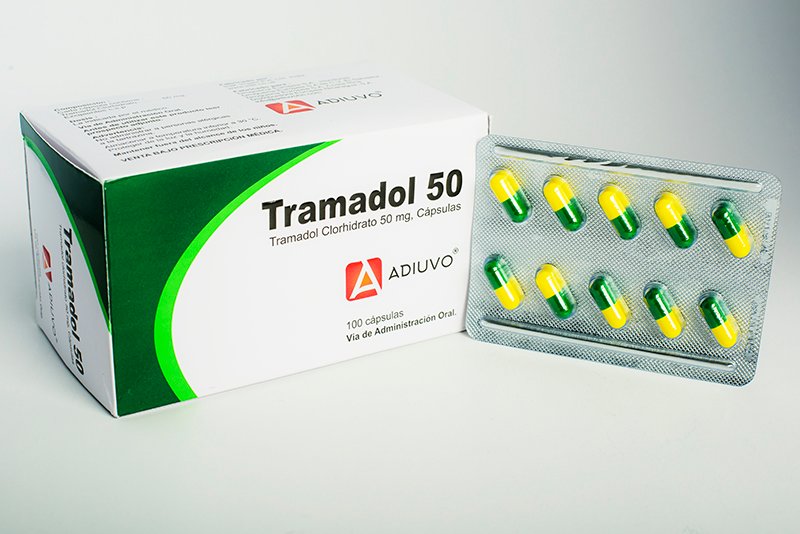
Tramadol (Ultram): A Comprehensive Guide to Understanding This Pain Relief Medication
Pain management is crucial for improving the quality of life of those who suffer from chronic pain conditions. Among the numerous medications available, Tramadol, commonly known by its brand name Ultram, has gained prominence as a viable option. This article delves into the key aspects of Tramadol, including its mechanism of action, potential side effects, and essential considerations for those contemplating its use.
What is Tramadol?
Tramadol is a synthetic opioid analgesic that offers relief for moderate to moderately severe pain. Unlike traditional opioids, Tramadol operates not only as an opioid but also as a reuptake inhibitor for serotonin and norepinephrine, two neurotransmitters that play a significant role in pain perception and mood regulation. This dual-action makes Tramadol a unique contender in the pain management landscape.
How Does Tramadol Work?
Tramadol achieves pain relief primarily by binding to the mu-opioid receptors in the brain, which dampens the sensation of pain. At the same time, it inhibits the reuptake of serotonin and norepinephrine. This combined effect can enhance mood and alleviate pain more effectively than some other medications, making it a preferred choice for many healthcare providers and patients alike.
Uses of Tramadol
Commonly, Tramadol is prescribed to manage pain following surgery, injury, or for chronic pain conditions like arthritis or fibromyalgia. It is available in various forms, including immediate-release and extended-release tablets, allowing for flexibility in tailoring pain management to individual needs. Physicians may adjust dosages based on a patient’s specific circumstances, ensuring effective pain control while minimizing potential side effects.
Potential Side Effects of Tramadol
While Tramadol can be incredibly effective for pain relief, it’s essential to be aware of potential side effects. Common side effects include:
– Nausea and vomiting
– Dizziness and drowsiness
– Constipation
– Headaches
More severe side effects can occur, including an increased risk of seizures, particularly in individuals with a history of seizure disorders or those combining Tramadol with certain medications. It’s vital for patients to engage in an open dialogue with their healthcare provider about their medical history and any other medications they are taking before initiating treatment with Tramadol.
Precautions and Warnings
Before starting Tramadol, patients should consider several precautions. As with any opioid medication, there is a potential for dependence and addiction. Therefore, it should be used precisely as prescribed. Individuals with a history of substance abuse should exercise caution and may benefit from alternative pain relief options.
Additionally, it is crucial to avoid alcohol while taking Tramadol, as this can amplify the sedative effects and lead to dangerous complications. Older adults and individuals with pre-existing health conditions should also be closely monitored during treatment.
Tramadol and Drug Interactions
Tramadol may interact with other medications, either reducing their effectiveness or increasing the risk of serious side effects. Some notable interactions include:
– Antidepressants (especially SSRIs and MAOIs)
– Other opioids
– Muscle relaxants
– Certain anti-seizure medications
Always discuss current medications with a healthcare provider to ensure safety while on Tramadol.
Conclusion: Is Tramadol Right for You?
Tramadol (Ultram) offers significant potential for those seeking relief from moderate to moderately severe pain. Understanding its mechanism of action, potential side effects, and necessary precautions can empower patients to make informed choices regarding their treatment. As with any medication, open communication with healthcare providers is essential to ensure that Tramadol is used safely and effectively. If you are contemplating pain management options, Tramadol may be a worthy consideration, but always consult with your doctor to explore what best suits your individual health needs.




Reviews
There are no reviews yet.