
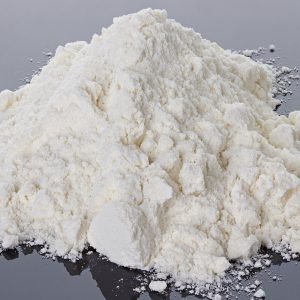
White Doc Cocaine: An In-Depth Look at Risks, Uses, and Effects
Understanding White Doc Cocaine is crucial, especially given its widespread availability. This powerful substance has garnered attention worldwide, but with its accessibility comes significant risks. Whether used recreationally or for medical purposes, users must be informed about its effects, potential drawbacks, and the nuances of its consumption.
The Effects of White Doc Cocaine: Short-Term and Long-Term Implications
When consumed, White Doc Cocaine acts rapidly, initiating effects within seconds to minutes and typically lasting between 30 minutes to an hour and a half. Users often report a euphoric high followed by a crash, characterized by feelings of agitation or depression. These changes occur as White Doc Cocaine prevents dopamine from being recycled, leading to a build-up in the synaptic space between nerve cells.
However, the profound impact on dopamine levels can lead to severe repercussions. Individuals who misuse this substance, especially in high doses, are at risk of experiencing various adverse effects. Symptoms can include rapid heartbeat, excessive sweating, and dilated pupils, all indicative of the drug’s potent influence on the central nervous system.
Risks Associated with White Doc Cocaine
While some clinical applications exist for White Doc Cocaine—such as its use in medical settings to reduce pain during nasal surgeries—the potential for addiction and adverse reactions is significant. Alarmingly, studies indicate that over 51% of users may experience transient psychosis, underscoring the mental health risks associated with this substance.
Moreover, improper handling or consumption can exacerbate these dangers. Users may engage in behaviors that hide their drug use, retreating to consume the drug in private, only to re-emerge altered and unremarkable.
Adulterants and Their Effects on Purity
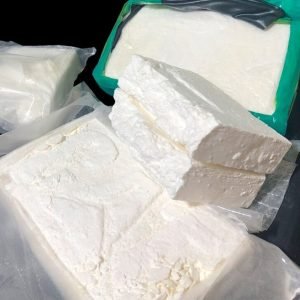
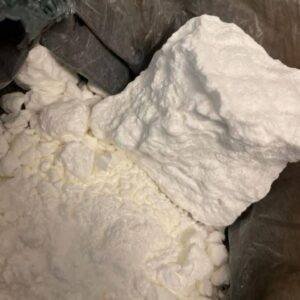
A major concern with White Doc Cocaine is its purity. Often, the substance is adulterated with various additives, such as sugars or mannitol, which not only dilute its potency but also introduce unknown variables that can lead to harmful effects. Illicit vendors may introduce these adulterants to enhance their profits or mask the low quality of their product, contributing further to the risks associated with consumption.
The manufacturing process also plays a role in the quality of White Doc Cocaine available on the market. It commonly involves processing the drug with substances like sodium bicarbonate, which alters its form and can affect the experience of the user. When consuming preparations that are not pure, individuals may mistake the sedative effects of adjunct substances for a stronger high from the drug itself.
Addiction and Dependency: Understanding the Cycle
The cycle of addiction associated with White Doc Cocaine is complex. As users seek to maintain their high, they often increase their doses, adjusting their tolerance as the brain’s reward pathways become less responsive to the drug. The relapse rate for addiction is troubling, with estimates suggesting that about 18% of users relapse after trying to quit, while this figure can rise to 36% for regular users.
For individuals diagnosed with conditions like ADHD, the likelihood of developing a dependency on White Doc Cocaine or similar substances can reach more than five times that of unaffected individuals.
Safe Prescribing Practices and Medical Uses
In controlled environments, White Doc Cocaine has proven beneficial for specific medical procedures, primarily to desensitize and reduce bleeding during surgery. However, even in these professional settings, practitioners must weigh the benefits against potential risks, including cardiovascular complications that may arise during or after its use.
Conclusion: A Comprehensive Understanding is Key
While White Doc Cocaine has legitimate medical uses, its recreational consumption poses significant health risks that cannot be overlooked. The substance’s impact on dopamine levels, the possibility of psychosis, and the cycle of addiction highlight the need for awareness and caution. Users and potential consumers should prioritize education about White Doc Cocaine—recognizing its effects, understanding its risks, and considering safer alternatives. By fostering informed discussions about this potent substance, we can mitigate the dangers associated with its misuse and help prevent addiction.


Reviews
There are no reviews yet.